Hydration Guide for Active Men
Master the science and strategy of optimal hydration to maximize athletic performance, endurance, and recovery. This comprehensive guide reveals what elite athletes know about staying hydrated.
Stay Hydrated, Stay Strong — Your Athletic Edge
Proper hydration is not just about drinking water. It's about understanding your body's fluid needs, electrolyte balance, and the timing of intake based on your activity level and environmental conditions. Active men face unique hydration challenges that generic guidance often overlooks.
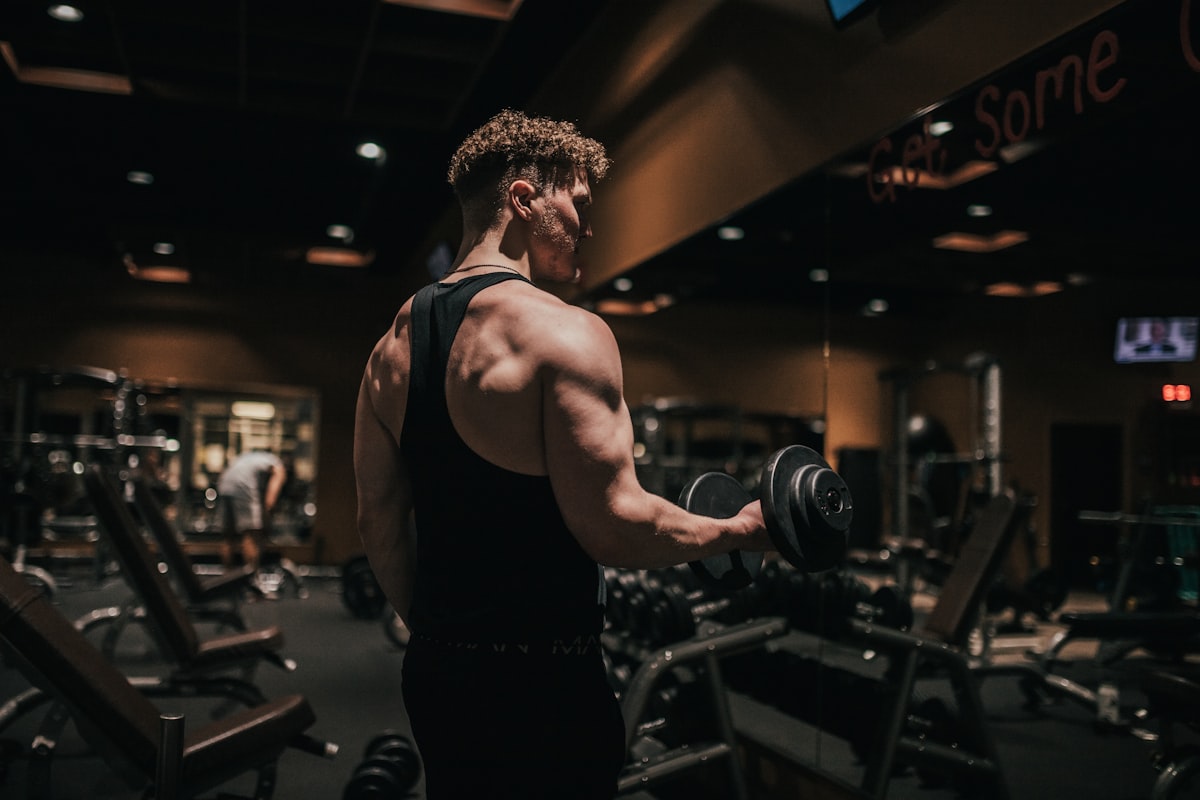
Whether you're training for endurance events, hitting the gym for strength work, or engaging in high-intensity interval training, hydration directly impacts your performance, muscle function, mental focus, and post-workout recovery. This guide breaks down the evidence-based strategies that separate peak performance from mediocre results.
The information on this site is for educational purposes only and does not constitute medical advice. Always consult a qualified healthcare professional before making health decisions.
Hydration Impact by Numbers
Performance Drop
Dehydration of just 2% body weight reduces athletic performance measurably
Body Composition
Water comprises approximately 60% of adult male body weight
Absorption Window
Peak fluid absorption occurs within 30 minutes of consumption
Hourly Intake
Recommended fluid intake during moderate exercise is 400-800ml per hour
Why Hydration Matters for Male Athletes
Understanding the mechanisms behind hydration helps you make informed decisions about your intake strategy.
The Science Behind Proper Hydration
Thermoregulation
Water loss through sweat is your body's primary cooling mechanism during exercise. Maintaining fluid balance ensures efficient temperature control and prevents dangerous overheating.
Cardiovascular Function
Blood volume depends on adequate hydration. Dehydration reduces plasma volume, forcing your heart to work harder and elevating heart rate at lower workloads.
Muscle Performance
Muscle contractions require water. Cellular hydration status directly affects power output, strength endurance, and the ability to sustain high-intensity efforts.
Cognitive Clarity
Mental fatigue during long training sessions correlates directly with hydration status. Even mild dehydration impairs focus, decision-making, and coordination.
5-Step Daily Hydration Protocol
Follow this evidence-based approach to maintain optimal hydration throughout your day and during training.
Morning Rehydration (Upon Waking)
After 6-8 hours without fluid intake, your body is in a dehydrated state. Consume 400-500ml of water or an electrolyte beverage within 30 minutes of waking. This primes your systems for the day ahead and supports cellular function and mental clarity.
Pre-Exercise Hydration (2 Hours Before)
Drink 400-600ml of water with carbohydrates and electrolytes 2-3 hours before training. This allows adequate absorption and helps you start your session fully hydrated. If training early morning, reduce volume but maintain electrolytes to minimize sleep disruption.
During-Exercise Hydration (Every 15-20 Minutes)
Consume 150-250ml of a sports drink containing 6-8% carbohydrates and electrolytes every 15-20 minutes during exercise lasting over 60 minutes. For shorter sessions under 60 minutes, water alone suffices. Drink to thirst but don't exceed 800ml per hour as a general upper limit.
Post-Exercise Rehydration (Within 2 Hours)
Begin rehydration immediately after exercise. Drink 150% of your sweat loss over the next 2-4 hours (if you lost significant weight during training, drink 3 liters). Include sodium and carbohydrates to promote fluid retention and glycogen replenishment. Spread intake across multiple smaller doses rather than one large volume.
Everyday Maintenance Hydration
On non-training days or between sessions, consume 2.5-3.5 liters of water daily depending on body weight, climate, and activity level. Monitor urine color (pale yellow indicates adequate hydration) and drink consistently throughout the day rather than in large single volumes. Adjust intake based on environmental heat and individual sweat rates.
Hydration Solutions for Every Activity
Endurance Training (Long Distance Running, Cycling)
Extended aerobic efforts demand strategic fluid and electrolyte replacement. Use sports drinks with 6-8% carbohydrates to maintain blood glucose while replacing sweat losses. Plan hydration stations every 5-10km and practice your intake strategy during training to prevent gastrointestinal distress.
- 400-800ml per hour of fluids
- 30-60g carbs hourly for efforts over 2.5 hours
- 500-700mg sodium per liter of fluid
Strength Training (Gym, Heavy Lifting)
Resistance work generates less absolute sweat loss than cardio but still demands proper hydration for muscle pump and performance. Sip water between sets to maintain blood volume and nutrient delivery. Focus on consistent daily intake rather than aggressive during-workout consumption.
- 150-300ml every 15-20 minutes during session
- Plain water sufficient for sessions under 60 minutes
- Post-workout rehydration critical for muscle recovery
High-Intensity Interval Training (HIIT)
Intense anaerobic efforts produce rapid sweat loss over short timeframes. Pre-hydrate thoroughly before sessions and consume quickly-absorbed fluids during work periods. Post-exercise rehydration becomes especially important due to elevated sweat rates during recovery.
- Pre-hydrate 400-600ml within 2-3 hours prior
- 200-300ml of sports drink during rest intervals
- Aggressive rehydration in 4-6 hours post-session
Water Sports & Swimming
Swimming and water-based activities create dehydration even while immersed. Athletes often underestimate fluid loss because water masks sweat. Establish hydration checkpoints outside the water and consume fluids regularly despite the aquatic environment.
- Hydrate before entering water and immediately after
- 500ml every 20-30 minutes out of water for extended sessions
- Electrolyte drink post-session to support recovery
Hot & Humid Climate Training
High temperatures and humidity increase sweat losses dramatically. Start hydration protocols at higher volumes and include additional sodium. Monitor body weight loss during sessions and adjust future intake targets. Consider exercise timing during cooler parts of the day when possible.
- Begin with 500-750ml per hour baseline
- Increase sodium to 700-1000mg per liter
- Cold fluids enhance palatability and gastric emptying
Cold Weather & Altitude Training
Cold temperatures suppress thirst signals despite significant fluid loss through respiration and perspiration. At altitude, increased respiratory losses and reduced oxygen availability further increase hydration demands. Actively schedule hydration regardless of perceived thirst level.
- Drink on schedule, not by thirst perception alone
- Warm fluids improve palatability and gastric comfort
- Altitude increases base daily fluid needs by 1.5 liters
Common Hydration Questions Answered
Daily intake depends on several factors including body weight, activity level, climate, and individual sweat rate. A general baseline is 2.5-3.5 liters for most adult men. During training days, add 400-1000ml depending on session duration and intensity. A practical approach is to monitor urine color (pale yellow indicates adequate hydration) and adjust intake accordingly. Many athletes use the formula: body weight (kg) × 35ml = daily baseline in milliliters, then add training-specific intake on top. For example, a 75kg man would drink roughly 2.6 liters as a baseline, then add session-specific amounts.
Yes, although it's relatively rare in athletes. Excessive water intake without adequate electrolytes can lead to a condition where blood sodium becomes dangerously diluted. This typically occurs from consuming extremely large volumes (several liters) of plain water in a short period. The risk increases in endurance events lasting over 4 hours where athletes drink only water without electrolyte replacement. To prevent this: include sodium in your sports drinks, follow the 400-800ml per hour guideline, and avoid forcing excessive fluid intake beyond thirst. Electrolyte drinks specifically address this concern by maintaining sodium levels while you rehydrate.
Plain water is best for short, low-intensity activities under 60 minutes. Sports drinks contain carbohydrates (4-8% solution) plus electrolytes, ideal for endurance activities lasting 60-90+ minutes as they provide energy. Electrolyte drinks focus on sodium and potassium without significant carbs, perfect for hot weather or rapid rehydration post-exercise. Choose based on activity duration and intensity—Nutrimenscorepro offers solutions tailored to each scenario.
Yes, you can safely use electrolyte drinks for everyday hydration, especially if you're active, live in a hot climate, or have sweat-prone conditions. They won't harm you in normal amounts. However, for sedentary individuals in moderate climates, plain water is typically sufficient and more cost-effective. If you're an athlete or outdoor enthusiast, electrolyte drinks from Nutrimenscorepro provide consistent, reliable hydration support year-round.
What Athletes Are Saying
"Nutrimenscorepro's electrolyte formula completely transformed my endurance training. I used to hit the wall at mile 18; now I maintain consistent energy through 20+ mile runs."
Sarah M.
Marathon Runner, Boston
"As a competitive cyclist, proper hydration is everything. Nutrimenscorepro keeps me performing at my peak without the bloated feeling from other brands."
James T.
Competitive Cyclist, California
"Recovery is just as important as the workout. Using Nutrimenscorepro post-exercise significantly reduced my soreness and improved my next-day performance."
Michelle L.
Triathlon Coach, Florida