Peak Performance Starts with Hydration
Hydration is the foundation of peak athletic performance. Whether you're training for endurance, building strength, or staying active throughout your day, proper fluid intake directly impacts your energy, recovery, and overall health. Our comprehensive hydration guide helps active men understand optimal intake strategies, electrolyte balance, and timing protocols backed by practical science.
The information on this site is for educational purposes only and does not constitute medical advice. Always consult a qualified healthcare professional before making health decisions.
Why Hydration Matters for Active Men
Fluid Balance
Proper hydration maintains electrolyte equilibrium essential for muscle function and neural signaling during intense physical activity.
Energy Performance
Dehydration reduces oxygen transport and energy substrate delivery to muscles, limiting endurance and strength output.
Cardiovascular Health
Adequate hydration regulates blood volume and body temperature, reducing cardiovascular strain during workouts.
Recovery Speed
Strategic fluid intake post-activity rehydrates tissues faster and accelerates muscle repair processes.
Daily Hydration Protocol Steps
Morning Hydration
Begin your day with 500-700ml of water within one hour of waking to restore fluids lost during sleep. This establishes proper hydration baseline for training and daily activities. Consider adding a pinch of electrolytes to enhance absorption and replace sodium lost overnight.
Pre-Activity Preparation
Two to three hours before exercise, drink 400-600ml of water or sports beverage with carbohydrates and electrolytes. This pre-loading strategy ensures your blood volume is optimized and muscles are saturated with fluid. Fifteen minutes before activity, take another 200-300ml to top off your hydration reserves.
During Exercise Intake
For activities lasting under 60 minutes, water is typically sufficient at 150-250ml every 15-20 minutes. For longer duration or intense workouts, use sports drinks containing 6-8% carbohydrates and sodium to maintain energy and electrolyte balance. Adjust volume based on sweat rate and environmental conditions.
Post-Activity Recovery
Within 30 minutes of finishing exercise, consume 150% of your fluid losses (measured by body weight change) over four to six hours. Include sodium and carbohydrates to enhance rehydration and muscle recovery. This accelerates restoration of normal fluid balance and promotes nutrient delivery to muscles.
Evening Maintenance
Throughout the evening, maintain consistent hydration with 200-300ml every two hours until bedtime. This prevents overnight dehydration and prepares your body for quality sleep and recovery. Monitor urine color as a simple indicator—pale yellow suggests adequate hydration.
Individualization & Monitoring
Hydration needs vary by climate, fitness level, genetics, and sport type. Track your sweat rate by weighing yourself before and after activity. Use this data to adjust intake protocols. Environmental factors like heat and altitude require increased fluid consumption to maintain performance.
Why Active Men Need Strategic Hydration
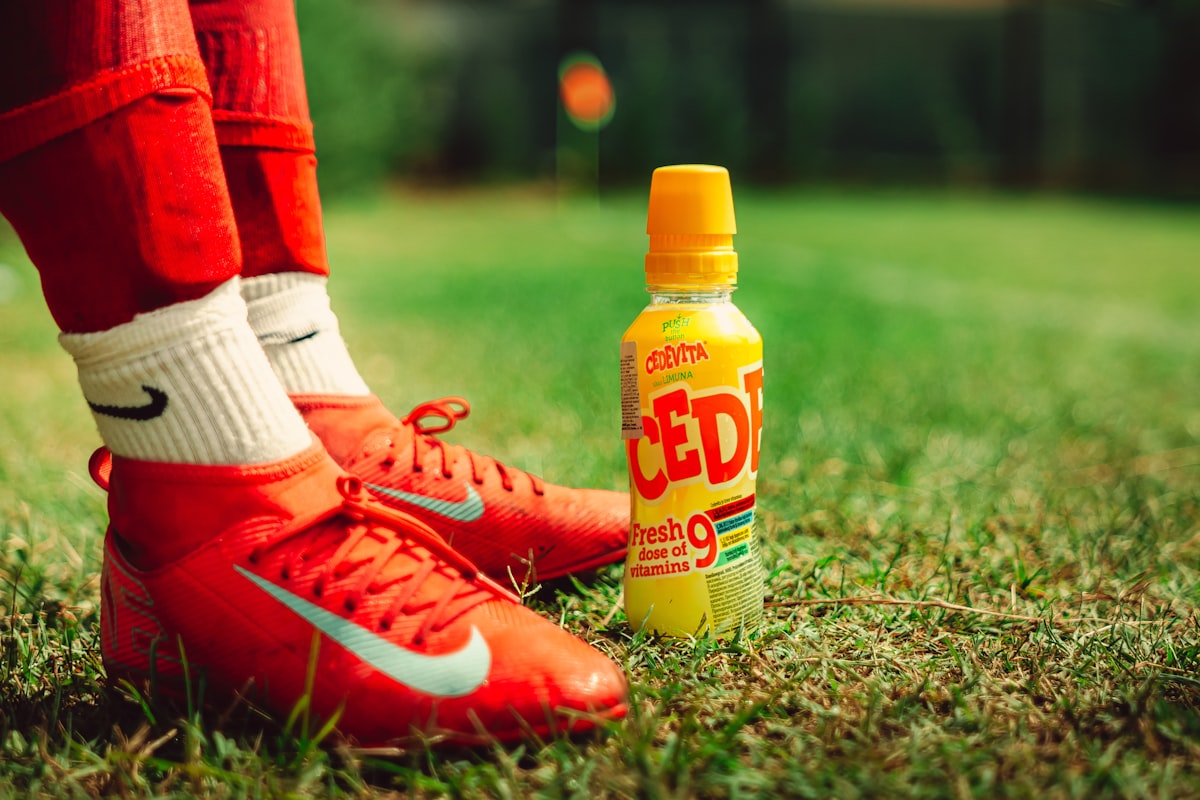
Active men face unique hydration challenges due to higher sweat rates, increased muscle mass requiring greater fluid distribution, and often more intense training protocols. Strategic hydration isn't about drinking constantly—it's about timing, electrolyte composition, and personalized intake based on individual physiology and activity demands.
When hydration is inadequate, performance declines rapidly. Even 2% dehydration reduces strength output, impairs recovery capacity, and elevates injury risk. Conversely, proper hydration optimizes oxygen delivery, sustains energy production, and accelerates muscle protein synthesis—critical for athletic adaptation and long-term progress.
Our comprehensive hydration guide addresses the science behind fluid intake protocols, electrolyte balance across different activity types, and practical strategies to implement these principles in daily training. Whether you're an endurance athlete, strength trainer, or simply maintaining an active lifestyle, understanding your hydration needs is foundational to sustainable performance improvements.
Learn More About Hydration ScienceHydration Solutions for Every Activity
Endurance Training
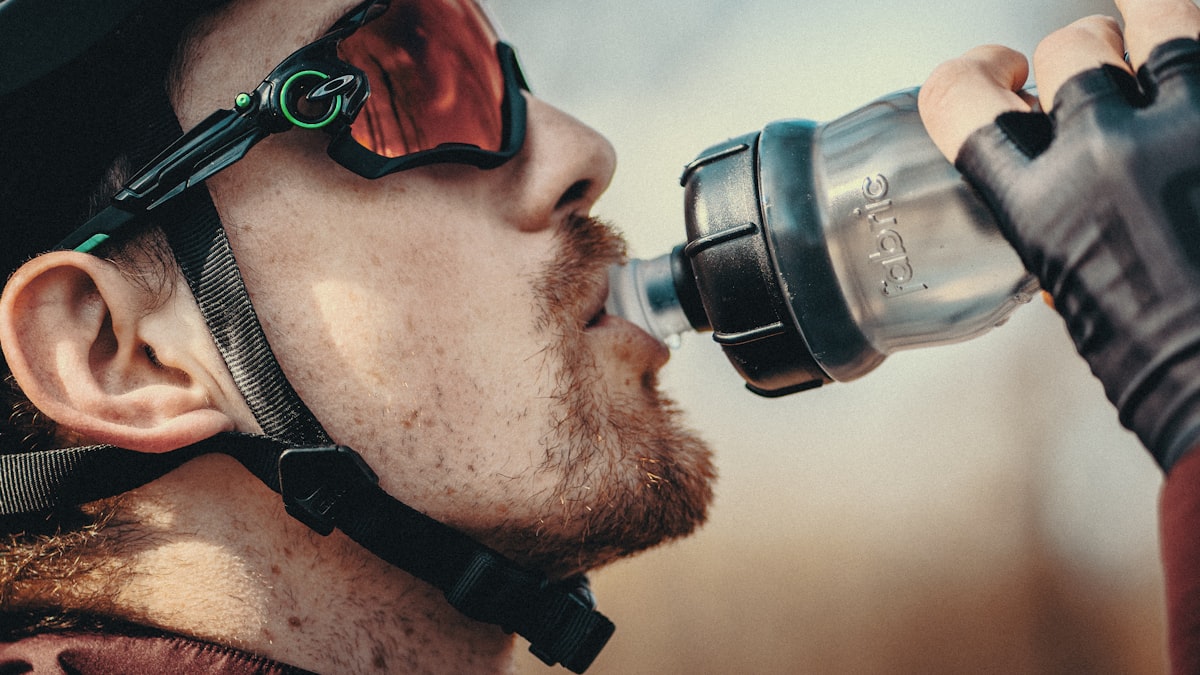
For activities exceeding 90 minutes, hydration becomes critical for sustaining glycogen stores and thermoregulation. Sports drinks with 6-8% carbohydrate content, sodium (200-500mg per liter), and potassium help maintain blood glucose and prevent hyponatremia. Drink 500-1000ml per hour depending on conditions.
Read More →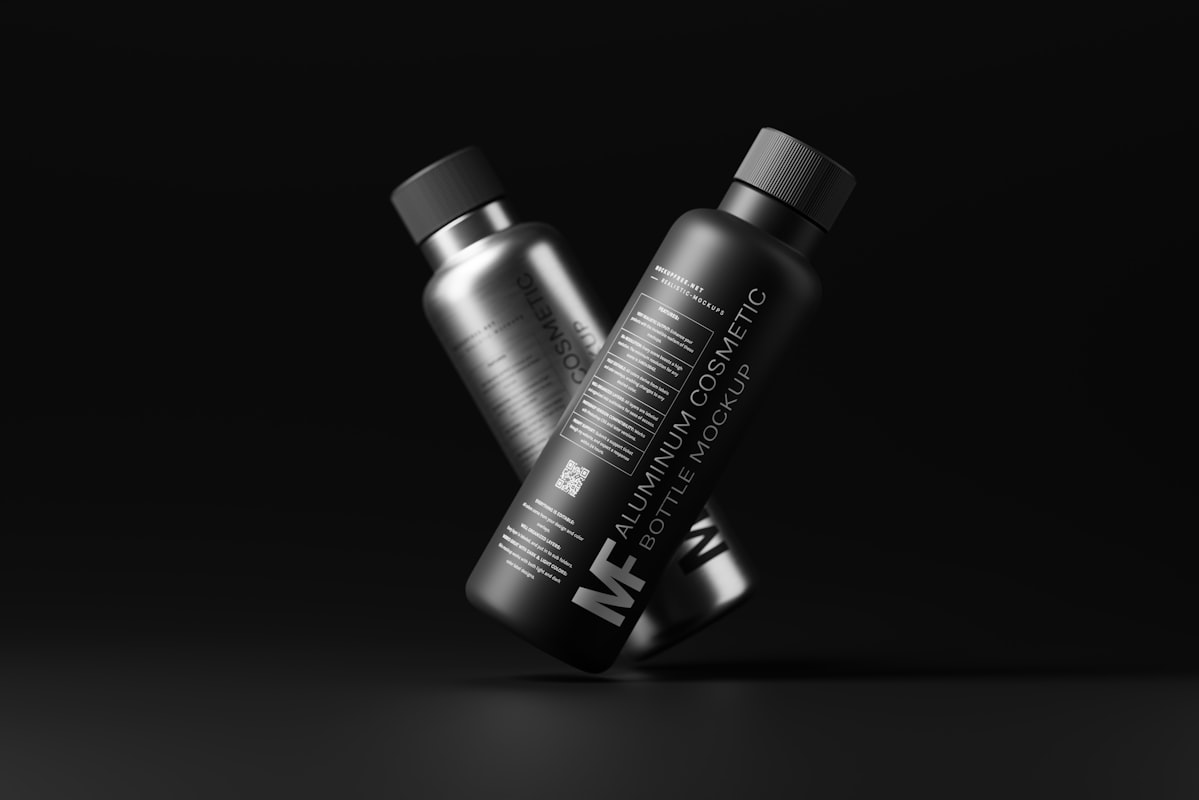
Strength & Power
Resistance training requires less fluid intake during sessions (typically 200-300ml every 15-20 minutes) but benefits significantly from pre- and post-workout hydration. Adequate hydration enhances muscle protein synthesis, reduces cortisol elevation, and improves workout performance. Focus on quality over volume.
Read More →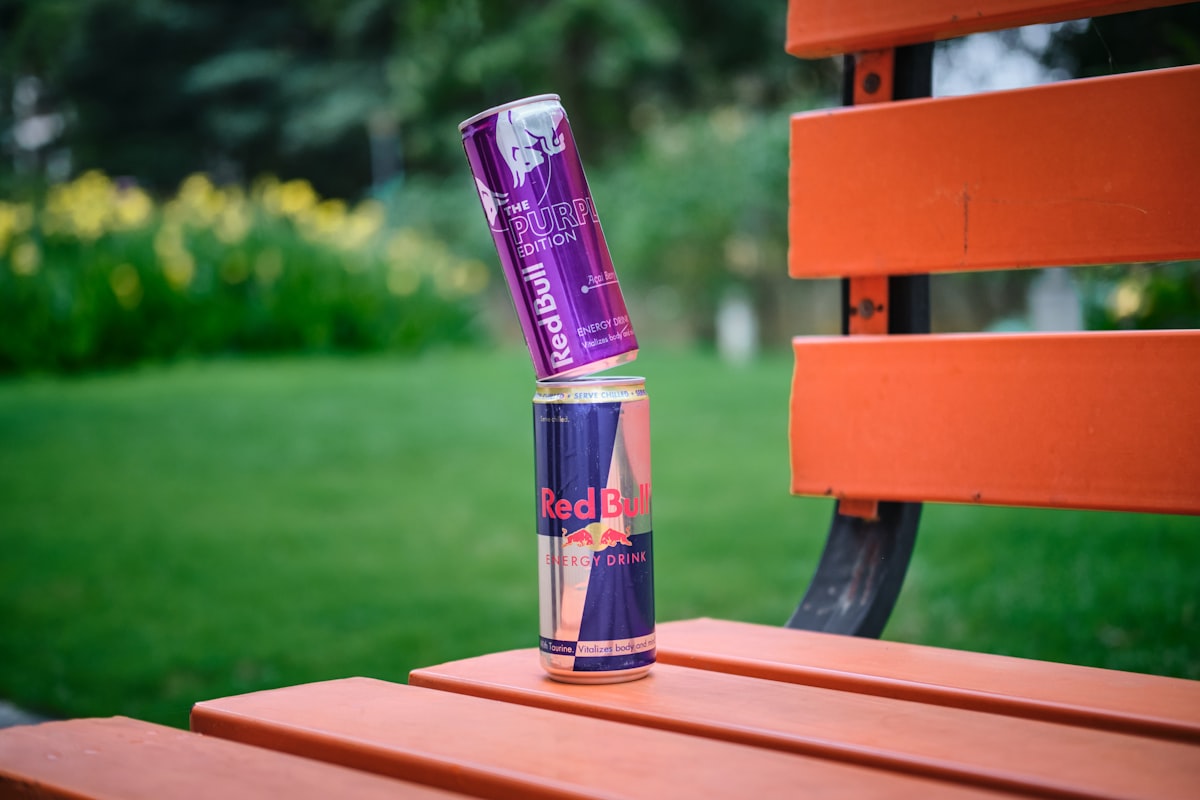
High-Intensity Training
HIIT sessions generate rapid sweat rates and demand immediate rehydration. Pre-load with 500ml one hour before, maintain 150-250ml every 15 minutes during activity, and rehydrate aggressively afterward. Sodium supplementation helps retention and prevents performance degradation in subsequent sessions.
Read More →
Team Sports
Intermittent activity patterns require flexible hydration strategies. Use breaks, timeouts, and halftime to rehydrate strategically. Individual sweat rates vary significantly, so each athlete should track personal needs. Aim for 400-800ml during 60-90 minute games, adjusted by climate and individual factors.
Read More →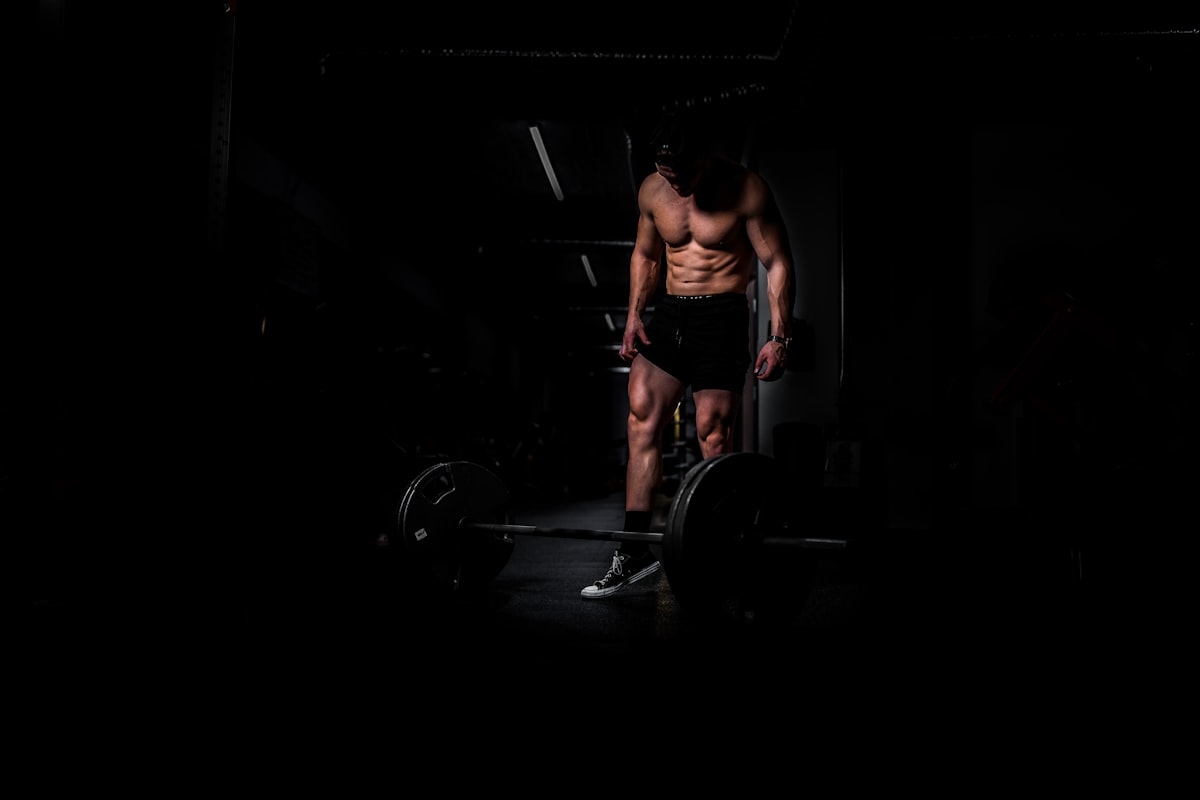
Hot Climate Training
Heat amplifies fluid losses through increased perspiration. Hydration needs can increase 50-100% in hot environments. Pre-acclimatize by practicing hydration protocols in similar conditions. Consider chilled beverages to aid absorption and core temperature regulation. Monitor for heat-related issues more carefully.
Read More →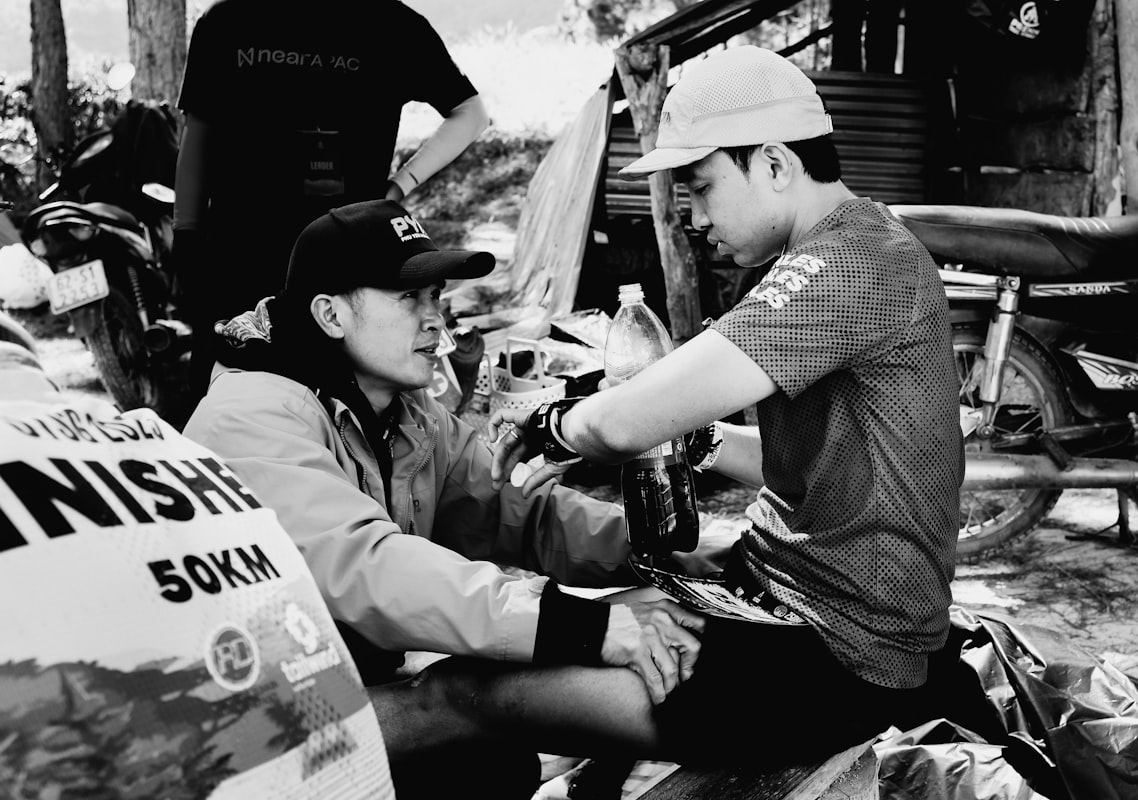
Recovery & Rest Days
Even on rest days, maintain consistent daily hydration. The standard recommendation of 35ml per kilogram of body weight is a practical baseline, adjusted upward in hot climates or high-stress periods. Proper baseline hydration accelerates overall recovery and prepares your system for subsequent training phases.
Read More →Common Hydration Questions Answered
A practical baseline is 35ml per kilogram of body weight daily, plus additional fluid to cover sweat losses from training. For a 80kg active man, this equals approximately 2.8 liters as baseline. However, individual needs vary significantly based on activity intensity, climate, metabolism, and genetics. Monitor urine color (pale yellow indicates adequate hydration) and adjust accordingly. On training days, you'll need considerably more—potentially 3.5-5 liters total depending on session duration and intensity.
Yes—excessive water intake without electrolytes can cause hyponatremia (dangerously low sodium levels), particularly during endurance events. This is more common in ultra-distance activities where athletes drink several liters of plain water over many hours. To prevent this, include sodium in sports drinks (200-500mg per liter) during extended activity, and avoid excessive pure water consumption outside of exercise. A practical rule: drink to match your sweat rate plus 150-200ml, not significantly more. Listen to thirst cues but don't override them during long activities.
Electrolytes—primarily sodium, potassium, and magnesium—regulate fluid balance, muscle contraction, and nerve signaling. Sweat depletes sodium and potassium, impairing muscle function if not replaced. Sodium in sports drinks enhances fluid absorption in the intestines and helps your body retain consumed water rather than excreting it. For activities over 60 minutes or in hot conditions, sports drinks with 6-8% carbohydrates plus 200-500mg sodium per liter significantly improve performance and hydration retention compared to plain water alone.
Measure your body weight before and after a 60-minute workout in typical training conditions. The difference (in kilograms) represents fluid loss. Multiply by 1000 to get milliliters per hour, then add any fluid you consumed during the workout to get total sweat rate. For example: if you weigh 2kg less after 60 minutes and drank 500ml, your sweat rate is approximately 2500ml (2.5 liters) per hour. Use this data to adjust intake during training. Sweat rates increase with temperature and intensity, so test in different conditions to refine your protocols.
Yes—thirst is a delayed indicator of hydration needs. By the time you feel thirsty, you may already be 1-2% dehydrated, which impairs performance. During exercise, adopt a "drink to schedule" approach based on your sweat rate calculations rather than thirst cues. Typical schedules are 150-250ml every 15-20 minutes depending on intensity and conditions. However, don't drink excessively beyond your measured needs. The strategy is: pre-plan based on testing, execute consistently, then adjust based on results and individual variation.
Complete rehydration typically requires 4-6 hours if you consume fluids with sodium and carbohydrates. The sodium enhances fluid retention (preventing immediate urination of consumed water), while carbohydrates assist muscle recovery. A practical protocol: drink 150% of your fluid losses (based on body weight change) gradually over this period. Example: if you lost significant weight during exercise, consume 1.5 liters total. Don't try to replace all fluid at once—this causes bloating and rapid urination without actual rehydration. Spreading intake over several hours is more effective.
Need more detailed information about hydration science and protocols?
Browse Complete FAQSuccess Stories from Active Men
"I followed the hydration protocol outlined in the guide for my marathon training and noticed immediate improvements in my endurance performance. My energy levels stayed consistent throughout longer runs, and my recovery time decreased noticeably. The personalized sweat rate calculation method was eye-opening—I realized I was significantly under-hydrating before reading this material. This guide completely transformed my training approach."
Marcus Williams
Marathon Runner, Jakarta
"As someone doing strength training, I thought hydration was straightforward—just drink water. This guide showed me that pre- and post-workout hydration strategies directly impact muscle recovery and protein synthesis. After implementing the recovery hydration protocols, I noticed better muscle pump, reduced soreness, and faster adaptation to training stress. The electrolyte information was particularly valuable for my high-intensity interval sessions."
Daniel Kusuma
Personal Trainer, Surabaya
"Training in Indonesia's tropical climate, I constantly struggled with dehydration. This guide's section on hot-climate hydration protocols was exactly what I needed. Learning about pre-acclimatization strategies and adjusted intake schedules made a massive difference in my comfort and performance during midday training sessions. My endurance improved dramatically once I started properly implementing heat-adapted hydration strategies."
Rendra Wijaya
Triathlon Athlete, Bandung
"I'm a soccer player and was experiencing cramping issues in the second half of matches. After reading the team sports hydration section and implementing the suggested fluid protocols during breaks, my leg cramps disappeared completely. The guide's emphasis on consistent hydration across intermittent activity patterns made so much sense for sport-specific needs. My overall match performance has noticeably improved."
Bambang Setiawan
Professional Footballer, Yogyakarta
Start Your Hydration Optimization Journey
Proper hydration is one of the most impactful yet often overlooked factors in athletic performance and recovery. Explore our comprehensive resources to develop a personalized hydration protocol tailored to your specific activities, climate, and goals. Nutrimenscorepro is committed to delivering evidence-based guidance to help active men perform at their peak.
What Athletes Say About Us
"Nutrimenscorepro transformed my training routine. The hydration guides helped me recover faster and perform better in every competition."
Marcus Johnson
Endurance Athlete
"The evidence-based approach to nutrition and hydration is exactly what I needed. My energy levels are consistently high throughout my workouts."
David Chen
CrossFit Competitor
"The personalized hydration protocols gave me the competitive edge I was looking for. Highly recommended for serious athletes."
Robert Williams
Marathon Runner
Frequently Asked Questions
How much water should I drink during exercise?
The amount varies based on activity intensity, duration, climate, and individual factors. Our guides recommend 400-800ml per hour for most activities, but personalized protocols are available on our resources page.
What electrolytes are most important for athletes?
Sodium, potassium, and magnesium are the primary electrolytes crucial for muscle function, hydration balance, and recovery. Our comprehensive guide explains the role of each and optimal ratios.
Can I use plain water for all my hydration needs?
Plain water is excellent for shorter activities under 60 minutes. For longer sessions, sports drinks with carbohydrates and electrolytes enhance performance and recovery more effectively.
How does hydration affect athletic performance?
Even mild dehydration (1-2% body weight loss) reduces endurance, strength, and cognitive function. Proper hydration maintains cardiovascular stability, thermoregulation, and oxygen delivery to muscles.
Are your recommendations backed by research?
Yes, all Nutrimenscorepro content is based on current sports science research, peer-reviewed studies, and recommendations from leading sports medicine organizations.